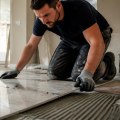
When considering a home renovation, tile installation often emerges as a popular choice due to its durability, aesthetic appeal, and versatility. Whether you're looking to enhance your kitchen, bathroom, or living space, understanding the nuances of tile flooring can significantly impact your decision-making process. One common question that arises is whether it’s feasible to install tile over existing flooring. This inquiry not only reflects a desire for efficiency but also highlights the importance of assessing your current flooring conditions. Tile flooring offers a myriad of options, from ceramic and porcelain to natural stone, each bringing its unique characteristics and benefits.
However, before diving into the installation process, it's crucial to evaluate the existing surface. Factors such as the type of current flooring, its condition, and the overall height of the new installation must be considered to ensure a successful outcome. By understanding these elements, homeowners can make informed choices that align with their renovation goals. Moreover, installing tile over existing flooring can save time and labor costs associated with removing old materials. This approach not only streamlines the renovation process but also minimizes disruption in your home.
As we delve deeper into the specifics of tile installation, we will explore various flooring options and provide insights on best practices to achieve a stunning and lasting finish.
Is It Possible to Install Tile Over Existing Flooring?
When considering tile installation, one of the most common questions homeowners ask is whether it is feasible to install tile over existing flooring. The answer largely depends on several factors, including the type of existing flooring, its condition, and the overall structure of your home.Types of Existing Flooring
- Carpet: Generally, it is not advisable to install tile over carpet. The soft surface can lead to unevenness and instability in the tile.
- Vinyl: Installing tile over vinyl flooring can be done if the vinyl is in good condition and securely adhered to the subfloor. However, it’s crucial to ensure that the vinyl is not cushioned, as this can affect the tile's adhesion.
- Laminate: Similar to vinyl, laminate flooring can be a suitable base for tile installation if it is firmly attached and level.
However, removing laminate is often recommended for optimal results.
- Hardwood: While it is possible to install tile over hardwood, it’s essential to consider the potential for moisture damage and structural integrity. In many cases, removing hardwood is a better option.
Condition of Existing Flooring
The condition of your existing flooring plays a critical role in determining whether you can proceed with tile installation. Any signs of damage, such as cracks, warping, or water damage, should be addressed before laying tile. A stable and level surface is crucial for ensuring that the tiles adhere properly and do not crack over time.
Subfloor Considerations
If you decide to install tile over existing flooring, it's important to assess the subfloor beneath.
The subfloor must be strong enough to support the weight of the tiles and withstand any movement. In some cases, adding a cement backer board may be necessary to provide a solid foundation for your new tiles.In conclusion, while it is possible to install tile over existing flooring, careful consideration of the type and condition of the existing surface is essential. Consulting with a professional can help ensure that your tile installation project is successful and long-lasting.
Benefits of Installing Tile Over Existing Flooring
Installing tile over existing flooring offers numerous advantages that can make your renovation project more efficient and cost-effective. Here are some key benefits to consider:- Cost-Effectiveness: One of the most significant advantages of tiling over old floors is the potential for cost savings.
By avoiding the expense of removing the existing flooring, you can allocate your budget towards higher-quality tiles or additional renovations.
- Time Savings: Removing old flooring can be a time-consuming process, often requiring professional help. By installing tile directly over your existing floor, you can significantly reduce the time spent on your renovation, allowing you to enjoy your new space sooner.
- Reduced Labor: Tiling over existing flooring minimizes the labor involved in your project. This not only saves you money on labor costs but also reduces the hassle of dealing with debris and disposal associated with floor removal.
- Enhanced Durability: Tiles are known for their durability and resistance to wear and tear. By installing them over an existing floor, you create a robust surface that can withstand heavy foot traffic and resist damage from spills or stains.
- Improved Aesthetics: Tiling allows for a wide range of design options, enabling you to enhance the visual appeal of your space without the need for extensive renovations.
You can choose from various colors, patterns, and textures to match your style.
Considerations Before Installing Tile Over Existing Flooring
Before proceeding with tile installation over existing flooring, several critical considerations must be evaluated to ensure a successful outcome. Understanding these factors can help prevent complications and ensure the longevity of your new tile floor.- Condition of the Existing Floor: The first step is to assess the condition of the current flooring. If the existing surface is uneven, cracked, or damaged, it may not provide a stable base for tile.
Any imperfections can lead to future issues such as cracking or shifting of the tiles.
- Height Issues: Installing tile over an existing floor will raise the height of the surface. This can create problems with door clearances, transitions to other flooring types, and even affect appliances. Measure carefully to ensure that the new height will not interfere with these elements.
- Type of Existing Flooring: The material of the existing floor plays a significant role in determining whether tile can be installed over it. For example, installing tile over carpet is generally not advisable due to its soft texture and potential for movement.
Conversely, hardwood or vinyl floors may be suitable if they are in good condition.
- Moisture Concerns: If the existing flooring is in a moisture-prone area, such as a bathroom or kitchen, it’s essential to check for any signs of water damage or mold. Moisture can compromise the adhesive used in tile installation and lead to long-term issues.
- Weight Considerations: Tiles can be heavy, and adding them on top of existing flooring increases the load on your subfloor. Ensure that your subfloor can support this additional weight without compromising structural integrity.
Types of Existing Flooring Suitable for Tile Installation
When considering tile installation over existing flooring, it's essential to identify which types of flooring can support this process effectively.Here are some common flooring types that are generally suitable for tile installation:
- Vinyl Flooring: Vinyl is one of the most compatible surfaces for tile installation. Its smooth and stable surface provides a solid foundation for tiles. However, ensure that the vinyl is securely adhered to the subfloor and free from any damage.
- Laminate Flooring: While laminate can be a good base for tile, it’s crucial to check its condition. If the laminate is in good shape and firmly attached, you can install tile directly on top.
Just be aware that the height of the floor will increase, which may affect transitions to other rooms.
- Hardwood Flooring: Installing tile over hardwood is possible but requires careful preparation. The hardwood must be well-secured and level. Additionally, it’s advisable to use a cement backer board to provide extra stability and prevent any movement that could crack the tiles.
Proper assessment and preparation will lead to a successful and durable tile floor.
Preparing Your Existing Floor for Tile Installation
Preparing your existing floor for tile installation is crucial for achieving a durable and aesthetically pleasing result. Follow these steps to ensure your floor is ready for tiling:- Assess the Current Flooring: Begin by examining the existing floor. Check for any damage, such as cracks, warping, or loose tiles. If the floor is in poor condition, it may need repairs or even removal before proceeding.
- Clean the Surface: Thoroughly clean the existing flooring to remove dirt, grease, and debris.
Use a suitable cleaner and ensure the surface is completely dry before moving on to the next step.
- Level the Floor: An uneven surface can lead to problems with tile adhesion and alignment. Use a leveling compound to fill in low spots and create a smooth surface. Allow it to cure as per the manufacturer's instructions.
- Check for Moisture: Moisture can compromise tile adhesion. Use a moisture meter to check the existing floor's moisture levels.
If they are too high, consider using a moisture barrier before installation.
- Install a Backer Board (if necessary): Depending on your existing flooring type, you may need to install a cement backer board for added stability and moisture resistance. This is especially important if you are tiling over wood or other flexible surfaces.
- Plan Your Layout: Before laying tiles, plan your layout carefully. Measure and mark guidelines on the floor to ensure even spacing and alignment of tiles.
Common Mistakes to Avoid When Installing Tile Over Existing Flooring
When considering tile installation over existing flooring, it's crucial to be aware of common mistakes that can lead to costly repairs and unsatisfactory results. Here are some pitfalls to avoid:- Neglecting Surface Preparation: One of the most significant errors is failing to properly prepare the existing floor.
Ensure that the surface is clean, dry, and free of any debris. Any imperfections can lead to uneven tiles and potential cracking.
- Ignoring Floor Stability: Before laying tile, assess the stability of the existing flooring. If the old floor is loose or damaged, it can compromise the integrity of your new tile installation. Reinforce or repair any weak areas before proceeding.
- Choosing the Wrong Adhesive: Using an inappropriate adhesive for your specific tile type and existing flooring can result in poor adhesion.
Always consult product guidelines to select the right adhesive for your project.
- Overlooking Expansion Joints: Failing to include expansion joints can lead to tile buckling as temperatures change. Make sure to incorporate these joints in your layout to allow for natural movement.
- Skipping a Test Area: Before committing to a full installation, conduct a small test area. This will help you gauge how well the tiles adhere and whether any adjustments are necessary.
FAQs About Installing Tile Over Existing Flooring
When considering tile installation over existing flooring, many homeowners have questions.Here are some of the most frequently asked questions:
- Can I install tile over carpet? No, it is not advisable to install tile over carpet. The soft surface of carpet does not provide a stable foundation for tile, which can lead to cracking and uneven surfaces.
- What types of flooring can I tile over? You can typically install tile over vinyl, linoleum, and concrete. However, it’s essential to ensure that the existing floor is clean, level, and in good condition before proceeding.
- Do I need to remove the old flooring? While it’s not always necessary to remove old flooring, doing so can provide a better surface for tile installation. If the existing floor is damaged or uneven, removal may be the best option.
- How do I prepare my existing floor for tile? Preparation involves cleaning the surface thoroughly, repairing any damage, and ensuring it is level.
You may also need to use a backer board for added stability.
- Will installing tile over existing flooring affect the height of my floors? Yes, adding tile will increase the height of your floors. This can impact door clearances and transitions to other rooms, so adjustments may be necessary.
Conclusion: Making the Right Choice for Your Home
In conclusion, deciding whether to install tile over existing flooring is a significant choice that requires careful consideration of various factors. Throughout this article, we have explored the advantages and disadvantages of this approach, emphasizing the importance of assessing your current flooring condition, the type of tile you wish to use, and the overall structural integrity of your home.Before proceeding with tile installation, it is crucial to evaluate:- Flooring Condition: Ensure that your existing flooring is level, stable, and free from moisture issues. Any imperfections can lead to complications down the line.
- Type of Tile: Different tiles have varying weights and installation requirements.
Consider whether your existing floor can support the additional weight without compromising safety.
- Height Considerations: Installing tile over existing flooring can raise the floor height, which may affect door clearances and transitions to other rooms.
- Cost Implications: While it may seem cost-effective to install tile over existing flooring, hidden costs such as additional underlayment or repairs may arise.