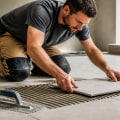
Tile installation is a rewarding yet challenging task that can significantly enhance the aesthetic and functional appeal of your space. However, it is essential to recognize that this process comes with its own set of risks and safety hazards. From sharp tools to heavy materials, the potential for accidents is ever-present, making it crucial to understand these risks before embarking on your tile installation project. One of the primary risks associated with tile installation is the physical strain it can place on your body. Lifting heavy tiles, kneeling for extended periods, and using power tools can lead to injuries if proper precautions are not taken.
Additionally, the use of adhesives and grout often involves exposure to chemicals that may pose health risks if inhaled or if they come into contact with skin. Understanding these hazards is the first step in ensuring a safe working environment. Moreover, the risk of slips and falls increases significantly during tile installation due to wet surfaces and scattered tools. This makes it imperative to maintain a clean workspace and utilize appropriate safety gear such as knee pads, gloves, and non-slip footwear. By being aware of these safety hazards, you can take proactive measures to protect yourself and others while achieving a successful tile installation.
Personal Protective Equipment (PPE) for Tile Installation
When undertaking tile installation, ensuring your safety should be a top priority.Utilizing the right personal protective equipment (PPE) can significantly reduce the risk of injuries and accidents. Here are some essential safety gear items you should consider:
- Gloves: Wearing durable gloves is crucial to protect your hands from sharp tile edges and heavy materials. Look for gloves that offer both grip and cut resistance.
- Safety Goggles: Protecting your eyes from dust, debris, and flying particles is vital during tile installation. Safety goggles provide a barrier against potential hazards, ensuring your vision remains clear and safe.
- Dust Masks or Respirators: Tile cutting can generate a significant amount of dust, which can be harmful when inhaled.
A dust mask or respirator will help filter out harmful particles, keeping your lungs safe.
- Knee Pads: Installing tiles often requires kneeling for extended periods. Using knee pads can prevent discomfort and injury to your knees, allowing you to work more efficiently.
- Steel-Toed Boots: Protecting your feet is essential, especially when handling heavy tiles. Steel-toed boots can shield your feet from falling objects and provide better traction on slippery surfaces.
Preparing Your Workspace for Safe Tile Installation
Preparing your workspace is a crucial step in ensuring a safe and efficient tile installation process.A well-organized area not only minimizes hazards but also enhances productivity. Here are some essential tips for creating a safe workspace:
- Clear the Area: Begin by removing any unnecessary items from the workspace. This includes furniture, decorations, and tools that are not immediately needed. A clutter-free environment reduces the risk of tripping and allows for easier movement.
- Protect Surfaces: If you’re working indoors, cover floors and furniture with drop cloths or plastic sheeting to protect them from dust and debris.
This will also help in maintaining a clean workspace.
- Ensure Proper Ventilation: Good airflow is vital, especially when using adhesives or grout that may emit fumes. Open windows and doors, and consider using fans to circulate air. If working in a confined space, wearing a mask can help protect against inhaling harmful particles.
- Organize Tools and Materials: Keep all necessary tools within reach but organized. Use toolboxes or trays to store items like tile cutters, spacers, and adhesive.
This not only saves time but also prevents accidents caused by searching for tools.
- Check Lighting: Adequate lighting is essential for precision during tile installation. Ensure that your workspace is well-lit to avoid mistakes and enhance safety. If natural light is insufficient, use bright work lights.
Handling Tools and Materials Safely
When undertaking tile installation, ensuring safety while handling tools and materials is paramount.Proper practices not only protect you but also enhance the quality of your work. Here are some essential safety precautions to consider:
- Wear Personal Protective Equipment (PPE): Always wear safety goggles to protect your eyes from flying debris, and use gloves to prevent cuts from sharp tile edges. Steel-toed boots can also provide protection against heavy materials.
- Use Tools Correctly: Familiarize yourself with the tools required for tile installation, such as tile cutters, trowels, and wet saws. Always read the manufacturer’s instructions before use.
- Maintain a Clean Workspace: Keep your work area free of clutter.
This reduces the risk of tripping over tools or materials and allows for better maneuverability.
- Handle Tiles with Care: Tiles can be heavy and fragile. When lifting, bend at your knees rather than your back to avoid injury. Carry tiles close to your body for better balance.
- Secure Loose Materials: Ensure that all tiles and materials are stored securely to prevent them from falling or shifting unexpectedly. Use racks or bins to keep them organized.
- Be Mindful of Electrical Hazards: If using electric tools, ensure that they are in good condition and that cords are not frayed.
Avoid using electric tools in wet conditions to prevent electrical shocks.
Lifting and Moving Tiles: Best Practices
When it comes to tile installation, proper techniques for lifting and moving tiles are crucial not only for the integrity of the tiles but also for your personal safety. Here are some best practices to follow:- Assess the Weight: Before lifting, determine the weight of the tile. Larger tiles can be significantly heavier, so it's essential to know what you're dealing with.
- Use Proper Lifting Techniques: Bend at your knees, not your back. Keep your back straight and lift with your legs to avoid strain.
- Get Help When Needed: If a tile is too heavy or awkwardly shaped, don’t hesitate to ask for assistance.
Two people can lift and carry larger tiles more safely.
- Use Appropriate Tools: Consider using tile dollies or carts for transporting multiple tiles at once. This reduces the risk of injury and makes moving tiles more efficient.
- Wear Protective Gear: Always wear gloves to protect your hands from sharp edges and sturdy footwear to safeguard your feet from falling tiles.
Moving Tiles Precautions:
- Secure Your Load: When stacking tiles for transport, make sure they are stable and won’t shift during movement.
- Avoid Overreaching: When placing or lifting tiles, keep them close to your body.
Overreaching can lead to loss of balance and potential injury.
- Take Breaks: If you’re working with a large number of tiles, take regular breaks to avoid fatigue, which can lead to accidents.
Dealing with Dust and Debris During Installation
When undertaking tile installation, managing dust and debris is crucial not only for the cleanliness of your workspace but also for protecting your respiratory health. The process of cutting and laying tiles can generate significant amounts of dust, which can be harmful if inhaled. Here are some effective strategies to control dust and manage debris during your installation project.- Use Wet Cutting Methods: Whenever possible, opt for wet cutting techniques. This method involves using water to minimize dust production while cutting tiles.
Many tile saws come equipped with water attachments that help keep the dust down.
- Seal Off the Work Area: Before starting your installation, seal off the area where you will be working. Use plastic sheeting to cover doorways and vents to prevent dust from spreading to other parts of your home.
- Wear Protective Gear: Always wear a mask rated for fine particles, such as an N95 respirator, to protect your lungs from inhaling dust. Additionally, goggles can shield your eyes from debris.
- Utilize a Shop Vacuum: Keep a shop vacuum handy to immediately clean up any debris as you work. This not only keeps your workspace tidy but also reduces the amount of dust that can become airborne.
- Regular Breaks for Cleanup: Schedule regular breaks during your installation process to clean up accumulated dust and debris.
This practice helps maintain a safer working environment and allows you to assess the area for any potential hazards.
Frequently Asked Questions About Tile Installation Safety
When it comes to tile installation, safety should always be a top priority. Here are some frequently asked questions that can help clarify the necessary precautions:What personal protective equipment (PPE) should I wear during tile installation?
It is essential to wear appropriate PPE to protect yourself from potential hazards. Recommended gear includes:- Safety goggles: Protect your eyes from dust and debris.
- Dust mask or respirator: Prevent inhalation of harmful particles, especially when cutting tiles.
- Gloves: Use cut-resistant gloves to protect your hands from sharp edges.
- Steel-toed boots: Safeguard your feet from heavy materials that may fall.
How can I prevent slips and falls during tile installation?
To minimize the risk of slips and falls, consider the following:- Keep the workspace clean: Regularly remove debris and excess materials.
- Use non-slip mats: Place mats in areas where water or adhesive may accumulate.
- Be cautious with wet surfaces: Ensure that any spills are cleaned up immediately.
What should I do if I encounter hazardous materials?
If you discover hazardous materials such as asbestos or lead during your tile installation, it is crucial to:- Avoid disturbing the material: Do not attempt to remove or alter it yourself.
- Contact professionals: Hire certified specialists who can safely handle hazardous materials.
Always prioritize safety and consult professionals when in doubt.
Conclusion: Key Takeaways for Safe Tile Installation
In conclusion, ensuring safety during tile installation is paramount for both the installer and the surrounding environment. By adhering to the recommended safety precautions, you can significantly reduce the risk of accidents and injuries. Here are the key takeaways to remember:- Personal Protective Equipment (PPE): Always wear appropriate PPE, including safety goggles, gloves, and knee pads. This gear protects against sharp tile edges and heavy materials.
- Work Area Preparation: Clear the installation area of any debris or obstacles.
A clean workspace minimizes tripping hazards and allows for efficient movement.
- Proper Tools: Utilize the right tools for the job, such as tile cutters and wet saws. Ensure that all tools are in good working condition to prevent malfunctions.
- Ventilation: If using adhesives or grout that emit fumes, ensure adequate ventilation in the workspace to avoid inhalation of harmful chemicals.
- Lifting Techniques: When handling heavy tiles, use proper lifting techniques to avoid back injuries. Bend at the knees and keep your back straight.
- Follow Manufacturer Instructions: Always adhere to the manufacturer's guidelines for installation materials and methods. This ensures not only safety but also the longevity of your tile work.
Remember, taking the time to prioritize safety will lead to a more successful and enjoyable tiling experience.