When embarking on a tile installation project, having the right tools is crucial for achieving a professional finish. The success of your tiling endeavor hinges not only on the quality of the tiles themselves but also on the essential tools for tile installation that you choose to utilize. From cutting and shaping tiles to ensuring precise alignment, each tool plays a vital role in the overall process. Understanding the various tile installation tools available can significantly enhance your efficiency and effectiveness. Whether you are a seasoned professional or a DIY enthusiast, equipping yourself with the proper tile installation equipment will streamline your workflow and minimize potential errors.
This introductory section sets the stage for a deeper exploration of each tool, detailing its specific function and importance in the tiling process. As we delve into the world of tile installation tools, you will discover that investing in high-quality equipment not only saves time but also elevates the quality of your work. From trowels and spacers to wet saws and grout floats, each tool serves a unique purpose that contributes to a flawless tile layout. Join us as we uncover the essential tools that every tile installer should have at their disposal.
Basic Tools for Tile Installation
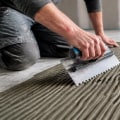
When embarking on a tile installation project, having the right tools is crucial for achieving professional results. Here are some of the basic tools that every beginner should consider:- Trowel: A notched trowel is essential for spreading thin-set mortar evenly on the substrate.
The size of the notches will depend on the type and size of the tiles being installed.
- Tile Cutter: For straight cuts, a manual tile cutter is a must-have. It scores the tile surface, allowing for clean breaks. For more intricate cuts, a wet saw can be invaluable, especially for larger tiles or porcelain.
- Tile Spacers: These small plastic pieces help maintain consistent gaps between tiles, ensuring even grout lines. They come in various sizes to accommodate different tile thicknesses.
- Level: A level is essential for ensuring that your tiles are laid flat and even.
This tool helps prevent uneven surfaces that can lead to issues down the line.
- Sponge and Bucket: A sponge is necessary for cleaning excess grout from tile surfaces during installation. A bucket is useful for mixing mortar and grout.
Advanced Tools for Professional Tile Installers
When it comes to tile installation, having the right tools can significantly enhance both the efficiency and precision of the job.Professional tile installers often rely on advanced tools that go beyond the basics, ensuring a flawless finish and reducing the time spent on each project.
Wet Saws
A wet saw is an essential tool for any professional tile installer. Unlike traditional tile cutters, wet saws use a diamond blade and water to cool the blade while cutting, which minimizes dust and reduces the risk of chipping tiles. This tool is particularly useful for cutting larger tiles or intricate shapes, allowing for clean, precise cuts that are crucial for a polished look.Tile Leveling Systems
Tile leveling systems have revolutionized the way professionals approach tile installation. These systems consist of clips and wedges that help maintain even spacing between tiles, preventing lippage (the unevenness between adjacent tiles).By using a leveling system, installers can achieve a perfectly flat surface, which is especially important for larger format tiles that can be more challenging to align.
Tile Nippers and Grinders
For intricate cuts and adjustments, tile nippers and angle grinders are invaluable. Tile nippers allow for small adjustments and detailed cuts around fixtures or edges, while angle grinders equipped with diamond blades can handle tougher materials or larger adjustments with ease.Laser Levels
A laser level is another advanced tool that enhances accuracy in tile installation. This tool projects a straight line across surfaces, helping installers ensure that their tiles are laid out evenly and at the correct height. Using a laser level can save time during setup and reduce errors during installation.Incorporating these advanced tools into your tile installation process not only improves the quality of your work but also boosts productivity.By investing in specialized equipment, professional installers can tackle complex projects with confidence and achieve superior results.
Safety Equipment for Tile Installation
When it comes to tile installation, ensuring safety is paramount. The process can involve heavy materials, sharp tools, and potentially hazardous substances, making the right safety equipment essential for any installer.Essential Protective Gear
- Safety Goggles: Protect your eyes from dust, debris, and flying particles that can occur during cutting and handling tiles. A good pair of goggles will provide a snug fit and prevent any foreign objects from causing injury.
- Gloves: Wearing durable gloves is crucial to protect your hands from cuts and abrasions. Look for gloves that offer a good grip while allowing dexterity for handling tiles and tools.
- Knee Pads: Tile installation often requires kneeling for extended periods.
Investing in high-quality knee pads can prevent discomfort and long-term damage to your knees, allowing you to work more efficiently.
- Dust Masks or Respirators: When cutting tiles, dust can become airborne. A dust mask or respirator will help filter out harmful particles, protecting your lungs from inhalation of silica dust.
- Steel-Toed Boots: Protect your feet from heavy tiles or tools that may accidentally drop. Steel-toed boots provide the necessary protection while also offering comfort during long hours of work.
Safety Tips for Tile Installers
In addition to wearing the appropriate gear, following some basic safety tips can further enhance your protection during tile installation:- Maintain a Clean Workspace: Keeping your work area tidy reduces the risk of tripping over tools or materials.
- Use Tools Properly: Always follow the manufacturer's instructions when using cutting tools or adhesives to minimize accidents.
- Stay Hydrated: Working in warm environments can lead to fatigue. Drink plenty of water to stay alert and focused.
Maintenance and Care of Tile Installation Tools
Proper maintenance and care of your tile installation tools are essential for ensuring their longevity and optimal performance.Whether you are a DIY enthusiast or a professional, taking the time to care for your tools can save you money and improve the quality of your work.
Cleaning Your Tools
- Clean Immediately: After each use, clean your tools to remove any adhesive, grout, or tile dust. This prevents buildup that can affect performance.
- Use Appropriate Cleaners: For metal tools, use a wire brush or scraper to remove stubborn debris. For power tools, refer to the manufacturer’s instructions for suitable cleaning agents.
- Dry Thoroughly: After cleaning, ensure all tools are dried completely to prevent rust and corrosion.
Storage Tips
- Store in a Dry Place: Keep your tools in a dry environment to avoid moisture-related damage.
- Use Toolboxes or Bags: Invest in quality storage solutions that protect your tools from physical damage and keep them organized.
- Avoid Overcrowding: Ensure that tools are not crammed together, as this can lead to scratches and other forms of wear.
Regular Inspections
- Check for Wear and Tear: Regularly inspect your tools for signs of damage or wear. Replace any worn-out parts promptly to maintain efficiency.
- Sharpen Blades: For cutting tools, keep blades sharp.
Dull blades require more effort and can lead to uneven cuts.
Prolonging Tool Life
- Use Tools as Intended: Always use your tools according to their intended purpose. Misuse can lead to premature wear or breakage.
- Follow Manufacturer Guidelines: Adhere to the maintenance recommendations provided by the manufacturer for best results.
FAQs About Tile Installation Tools
When it comes to tile installation, having the right tools can make a significant difference in the quality and efficiency of your project. Here are some frequently asked questions regarding the essential tools needed for tile installation:What are the basic tools required for tile installation?
- Trowel: A notched trowel is essential for spreading adhesive evenly on the substrate.
- Tile Cutter: A manual or electric tile cutter is necessary for making precise cuts.
- Level: A level ensures that your tiles are installed evenly, preventing future issues.
- Measuring Tape: Accurate measurements are crucial for planning your layout and cutting tiles correctly.
- Sponge: A damp sponge is useful for cleaning excess grout from tile surfaces during installation.
How do I choose the right tile installation tools?
Selecting the right tools for your tiling project depends on several factors:- Type of Tile: Different tiles (ceramic, porcelain, glass) may require specific cutting tools.
- Project Size: Larger projects may benefit from power tools, while smaller jobs can often be completed with manual tools.
- Your Skill Level: Beginners might prefer user-friendly tools, while experienced installers may opt for more advanced equipment.
Are there any specialized tools for intricate tile designs?
Yes, if you're working with intricate designs or mosaics, consider investing in:- Tile Nippers: Ideal for making small cuts and adjustments.
- Wet Saw: Provides clean cuts for complex shapes and thicker tiles.
- Tiling Spacers: Help maintain consistent grout lines between tiles.
Conclusion: Choosing the Right Tools for Your Tile Project
In conclusion, selecting the right tools for your tile installation project is crucial for achieving a professional finish and ensuring the longevity of your tiled surfaces. The tools you choose can significantly impact the efficiency of your work and the quality of the final result.Throughout this article, we have highlighted several essential tools that every tile installer should consider:- Trowels: A variety of trowels, including notched and flat options, are necessary for applying adhesive evenly.
- Tile Cutters: Whether you opt for manual or electric tile cutters, having the right cutting tool is vital for precise tile sizing.
- Leveling Systems: These systems help ensure that tiles are laid flat and even, preventing future issues with uneven surfaces.
- Grout Float: A grout float is essential for applying grout smoothly and filling joints effectively.
- Sponge and Bucket: For cleaning excess grout and adhesive, a sponge and bucket are indispensable.
Remember that using the right tools not only enhances your efficiency but also contributes to a more polished and durable finish.Ultimately, whether you are a seasoned professional or a DIY enthusiast, taking the time to gather the appropriate tools will pay off in the long run. A well-equipped workspace fosters confidence and precision, allowing you to focus on creating beautiful tiled spaces that stand the test of time.