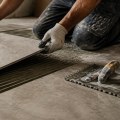
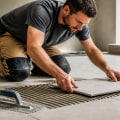
When it comes to home improvement, tile installation stands out as a popular choice for both aesthetic appeal and functionality. Tiles are not only versatile in design but also durable, making them an ideal option for various spaces, from kitchens to bathrooms. However, the beauty and longevity of tiles heavily depend on proper maintenance and cleaning practices following their installation. Understanding the significance of maintaining your tiles is crucial for preserving their appearance and extending their lifespan. The importance of tile maintenance cannot be overstated.
Regular cleaning helps prevent the buildup of dirt, grime, and stains that can detract from the visual appeal of your tiled surfaces. Moreover, neglecting maintenance can lead to more severe issues such as mold growth or damage to grout lines, which may require costly repairs or replacements. By adopting a proactive approach to tile care, homeowners can enjoy the benefits of their investment for years to come. In addition to enhancing aesthetics, well-maintained tiles contribute to a healthier living environment. Tiles are often chosen for their resistance to allergens and ease of cleaning, making them a practical choice for families.
Understanding how to properly care for your tiles post-installation not only ensures they remain beautiful but also maximizes their functional benefits. As we delve deeper into this topic, we will explore effective strategies for maintaining and cleaning tiles, ensuring that your investment continues to shine.
Initial Cleaning After Tile Installation
After completing your tile installation, it’s crucial to perform an initial cleaning to ensure your tiles are free from debris and residues that could cause damage or affect their appearance. Here are the steps to follow:- Remove Excess Grout: Once the grout has set for the recommended time, use a damp sponge to gently wipe away any excess grout from the tile surface. Be careful not to disturb the grout lines.
- Dust and Debris Removal: Sweep or vacuum the area to eliminate dust, dirt, and any leftover installation materials.
This step is essential as it prevents scratching the tile surface during further cleaning.
- Wet Cleaning: Prepare a solution of warm water mixed with a few drops of a pH-neutral cleaner. Using a soft mop or cloth, gently clean the tiles to remove any remaining residues. Avoid using harsh chemicals or abrasive tools that could damage the tile finish.
- Rinse Thoroughly: After cleaning, rinse the tiles with clean water to remove any soap residue. This step is vital as leftover cleaner can dull the tile's shine over time.
- Drying: Use a soft, dry cloth or towel to wipe down the tiles after rinsing.
This helps prevent water spots and streaks from forming on the surface.
Daily Maintenance Tips for Tile Care
Maintaining the beauty and integrity of your tiles after installation is essential for ensuring they last for years to come. Here are some daily maintenance tips that can help you keep your tiles looking pristine:- Regular Sweeping or Vacuuming: Dust and dirt can accumulate quickly on tile surfaces. Make it a habit to sweep or vacuum your tiles daily to prevent scratches and buildup.
- Use a Damp Mop: For deeper cleaning, use a damp mop with a mild detergent specifically designed for tiles.
Avoid using excessive water, as it can seep into grout lines and cause damage over time.
- Wipe Up Spills Immediately: Tiles are generally resistant to stains, but it’s best to wipe up spills as soon as they occur. This prevents any potential staining from acidic substances like vinegar or citrus juices.
- Avoid Harsh Chemicals: When cleaning your tiles, steer clear of abrasive cleaners or harsh chemicals that can dull the finish. Opt for pH-neutral cleaners that are safe for your specific tile type.
- Use Soft Cloths: When drying your tiles or cleaning them, use soft cloths or microfiber towels. These materials are gentle and will not scratch the surface.
- Deep Cleaning: Once a week, perform a more thorough cleaning by mopping with a specialized tile cleaner.
This helps remove any stubborn grime that daily cleaning might miss.
- Inspect Grout Lines: Regularly check the grout lines for any signs of discoloration or damage. If you notice any issues, address them promptly to prevent further deterioration.
Deep Cleaning Techniques for Tiles
Maintaining the pristine appearance of your tiles requires regular deep cleaning, especially after installation. Different types of tiles may require specific cleaning methods and products to ensure their longevity and aesthetic appeal.Effective Tile Cleaning Methods
- Steam Cleaning: This method uses high-temperature steam to penetrate the pores of the tile and grout, effectively loosening dirt and grime without the need for harsh chemicals.
It's particularly effective for ceramic and porcelain tiles.
- Scrubbing: For stubborn stains, a soft-bristle brush can be used with a suitable cleaning solution. Avoid abrasive brushes that can scratch the tile surface.
- Vinegar Solution: A mixture of equal parts water and white vinegar can be an effective natural cleaner for ceramic tiles. However, avoid using vinegar on natural stone tiles as it can damage the surface.
Best Products for Tile Cleaning
Choosing the right cleaning products is crucial for maintaining your tiles. Here are some recommended options:- pH-Neutral Cleaners: These are safe for all types of tiles and help remove dirt without damaging the finish.
- Grout Cleaners: Specialized grout cleaners can help lift stains from grout lines, restoring their original color.
- Tile Sealers: After deep cleaning, applying a tile sealer can protect against future stains and make routine cleaning easier.
Regular attention to your tile surfaces will keep them looking new long after installation.
Dealing with Stains and Tough Marks on Tiles
Maintaining the pristine look of your tiles after tile installation involves addressing stains and tough marks promptly. Here are some effective strategies for removing common stains:Common Stains and Their Solutions
- Food and Beverage Stains: For stains from sauces, coffee, or wine, start by blotting the area with a clean cloth to absorb excess liquid. Then, mix a solution of warm water and mild dish soap. Use a soft sponge to gently scrub the stained area, rinsing with clean water afterward.
- Grease Marks: Grease can be particularly stubborn.
Apply a mixture of baking soda and water to form a paste. Let it sit on the stain for about 10 minutes before scrubbing gently with a soft brush. Rinse thoroughly to remove any residue.
- Ink Stains: For ink marks, dab the area with rubbing alcohol using a cotton ball. Be careful not to saturate the tile; instead, apply it sparingly and wipe clean with a damp cloth.
- Mold and Mildew: To tackle mold or mildew, create a solution of equal parts vinegar and water.
Spray it on the affected area and let it sit for about 10 minutes before scrubbing with a brush. Rinse well to prevent any lingering odor.
Preventive Measures
To minimize the occurrence of tough marks on your tiles, consider these preventive measures:- Regular Cleaning: Establish a routine cleaning schedule using a pH-neutral cleaner specifically designed for tiles.
- Immediate Attention: Address spills immediately to prevent stains from setting in.
- Use Mats: Place mats in high-traffic areas to reduce dirt accumulation.
Preventive Measures to Protect Your Tiles
Maintaining the beauty and integrity of your tiles after tile installation requires proactive measures to prevent damage and wear. Here are some effective preventive care tips to protect your tiles:- Use Doormats: Place doormats at entrances to minimize dirt and debris being tracked onto your tiles. This simple step can significantly reduce scratching and wear.
- Furniture Pads: Attach felt pads to the bottom of furniture legs to prevent scratches when moving items around.
This is especially important for heavy furniture that can cause significant damage.
- Avoid Harsh Chemicals: Use pH-neutral cleaners specifically designed for tiles. Harsh chemicals can degrade the finish and lead to discoloration over time.
- Regular Sealing: Depending on the type of tile, consider applying a sealant every few years. This helps protect against stains and moisture penetration, particularly for porous materials like natural stone.
- Immediate Spill Cleanup: Wipe up spills promptly to prevent staining. Liquids, especially acidic ones like vinegar or citrus juices, can damage the tile surface if left unattended.
- Routine Cleaning: Establish a regular cleaning schedule using a soft broom or vacuum with a tile attachment to remove dirt and grit that can scratch the surface.
Remember, a little care goes a long way in preserving your investment.
FAQs About Tile Maintenance and Cleaning
Maintaining and cleaning tiles after installation is crucial for their longevity and appearance. Here are some frequently asked questions regarding tile maintenance and cleaning:- How often should I clean my tiles?
It is recommended to clean your tiles at least once a week to prevent dirt buildup. For high-traffic areas, consider more frequent cleaning. - What cleaning products are safe for tile?
Use pH-neutral cleaners specifically designed for tiles. Avoid harsh chemicals like bleach or ammonia, as they can damage the tile surface and grout. - Can I use a steam cleaner on my tiles?
Yes, steam cleaners can be effective for deep cleaning tiles, but ensure that your tiles are compatible with steam cleaning to avoid damage. - How do I remove stains from my tiles?
For most stains, a mixture of baking soda and water can be effective.Apply it to the stain, let it sit for a few minutes, then scrub gently with a soft cloth.
- Is sealing necessary for tile maintenance?
Yes, sealing your tiles and grout can help protect against stains and moisture. Depending on the type of tile, sealing may be required every 1-3 years.
Conclusion: Keeping Your Tiles in Top Condition
In conclusion, maintaining and cleaning your tiles after installation is crucial for preserving their beauty and longevity. By following the right practices, you can ensure that your tiles remain in top condition for years to come.Regular Maintenance
is key.
Establish a routine cleaning schedule that includes sweeping or vacuuming to remove dirt and debris. This simple step can prevent scratches and keep your tiles looking pristine.When it comes to cleaning, always use products that are specifically designed for your type of tile. For ceramic and porcelain tiles, a mild detergent mixed with warm water is often sufficient. Avoid harsh chemicals that can damage the surface or grout.
Deep Cleaning
Every few months, consider a deep cleaning session.This may involve:
- Using a steam cleaner to eliminate stubborn stains and sanitize the surface.
- Applying a specialized tile cleaner for tough grime.
- Sealing grout lines to prevent staining and moisture infiltration.
Preventive Measures
also play a significant role in tile maintenance. Use mats in high-traffic areas to minimize wear and tear, and promptly clean up spills to avoid staining. Additionally, consider using furniture pads under heavy items to prevent scratches.By implementing these maintenance and cleaning strategies, you can enjoy the aesthetic appeal of your tiles while extending their lifespan. Remember, investing time in proper care will pay off in the long run, keeping your tiled surfaces looking as good as new.